Sarah Bernhardt: Video Mapping in the Service of Documentary
Feedback on the Film Dedicated to
Sarah Bernhardt
Video mapping is no longer reserved for light festivals or monumental shows. Today, it is becoming a powerful narrative tool for documentary filmmaking, capable of creating a dialogue between archives, heritage, and immersive technologies.
It is within this context that my participation in the documentary dedicated to Sarah Bernhardt takes place, directed by Sophie Jaubert and produced by Galaxie Presse.
This project clearly illustrates how video mapping can enrich a documentary narrative without distorting it, while respecting the history, the locations, and the archival images.
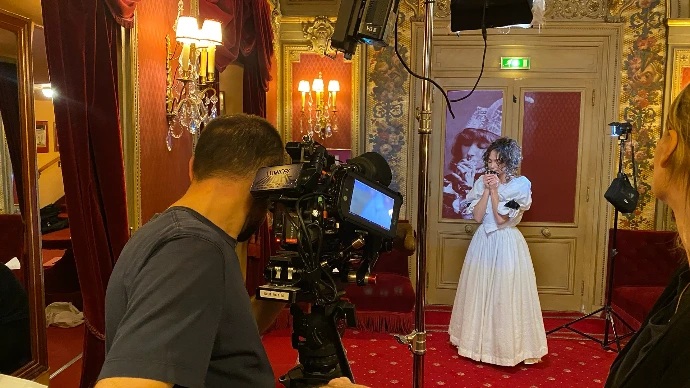
Why Integrate Video Mapping into a Documentary?
In historical or biographical films, photographic archives are often static, fragmentary, or damaged by time. Video mapping makes it possible to:
Restore a sense of presence to historical figures
Place images within real space
Create visual continuity between past and present
Move beyond simple illustration toward a narrative staging
In the case of the documentary on Sarah Bernhardt, the challenge was clear: to bring a theatre icon back to life without resorting to artificial reconstruction.
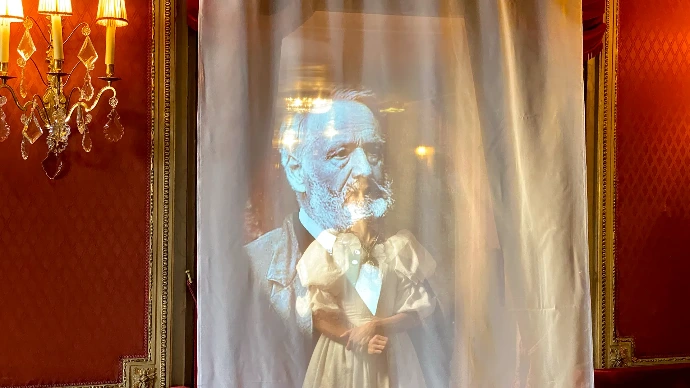
Working with Archival Images
My contribution focused on several technical and artistic aspects:
Retouching and restoration of historical photographs
The period portraits were carefully reworked:
cleaning defects caused by aging
improving contrasts and textures
maintaining absolute respect for the original aesthetic
The goal was not to modernize the images, but to make them suitable for large-scale projection while preserving their authenticity.
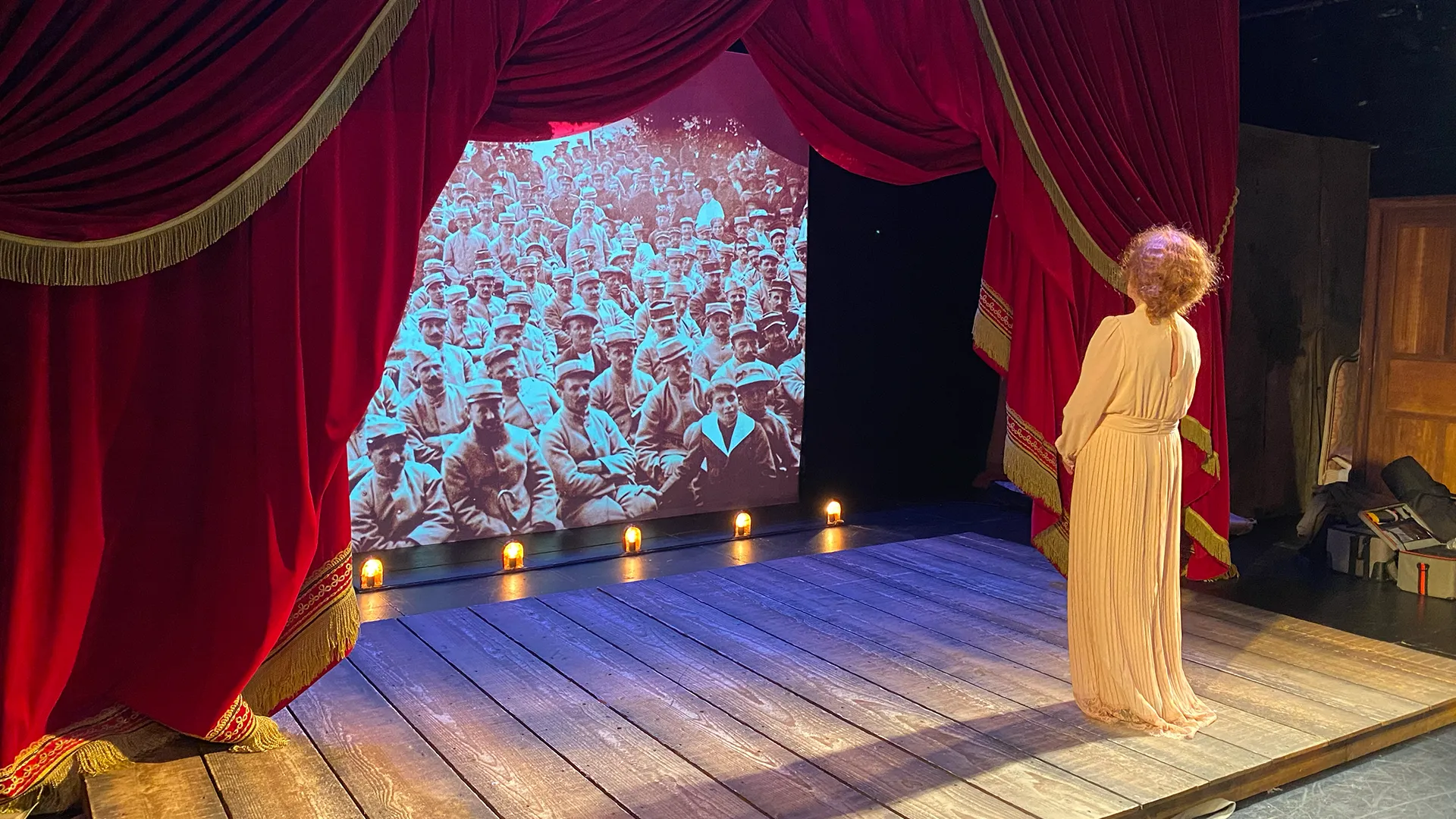
Subtle Animation and Motion
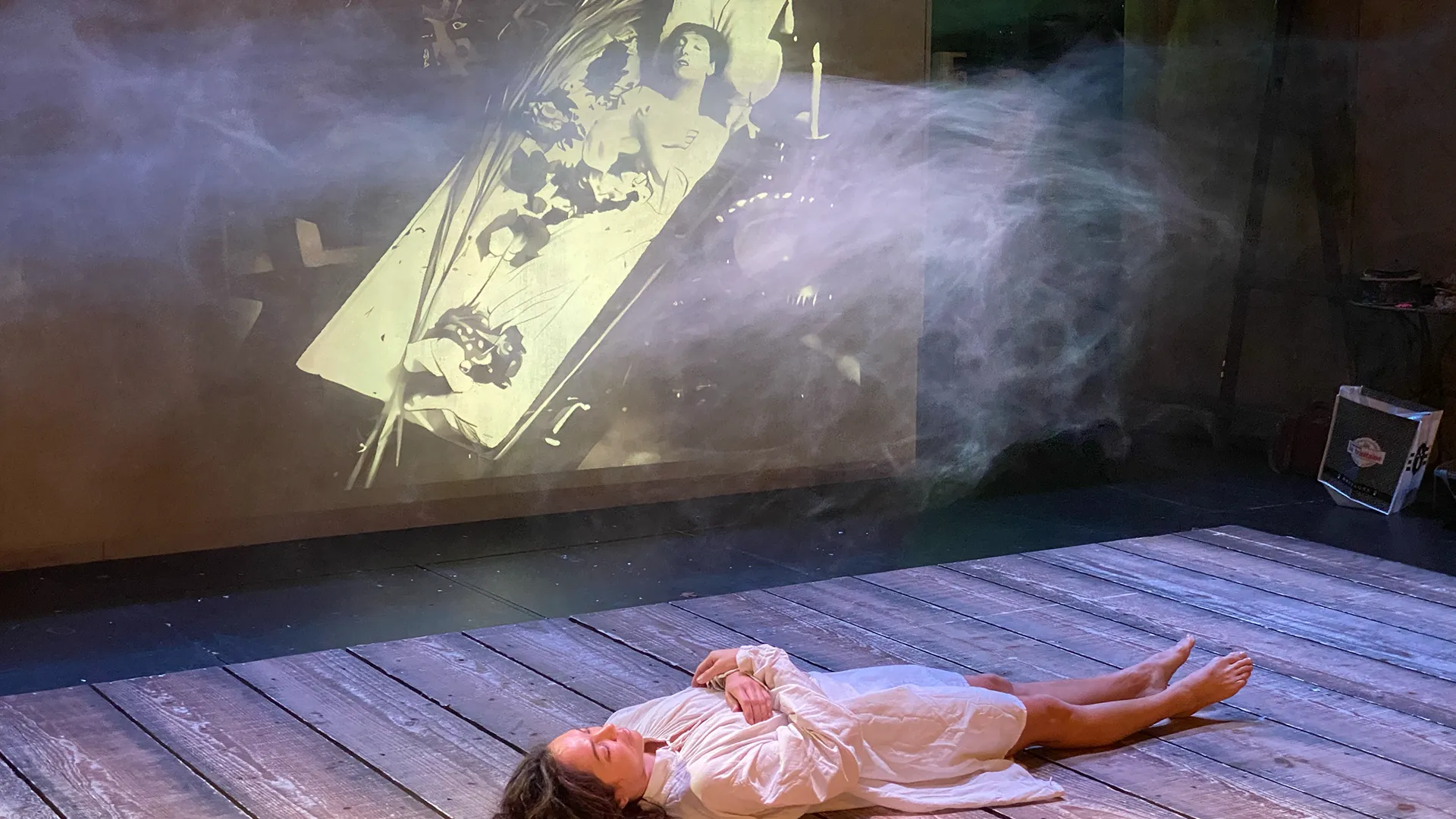
Some images were enhanced with subtle animations:
breathing effects
slight movements
depth effects
These micro-animations help restore a sense of living presence to historical figures, without ever resorting to gratuitous spectacle.
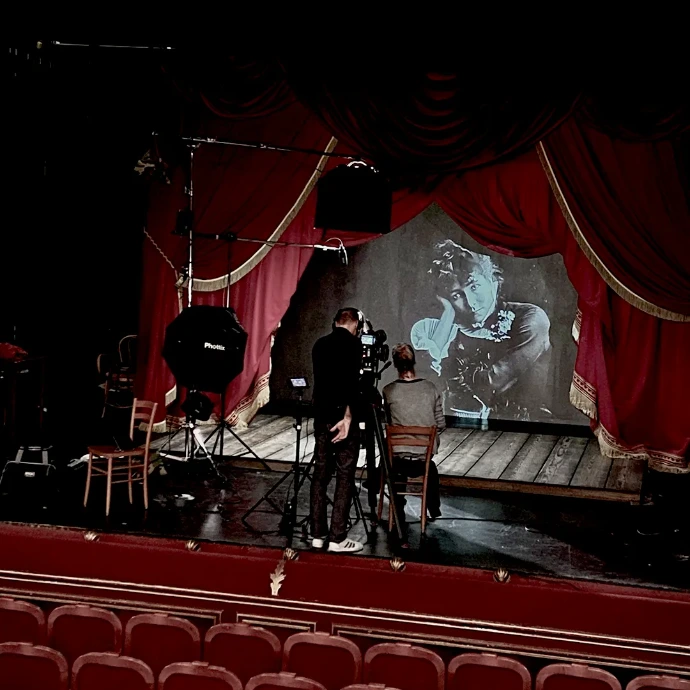
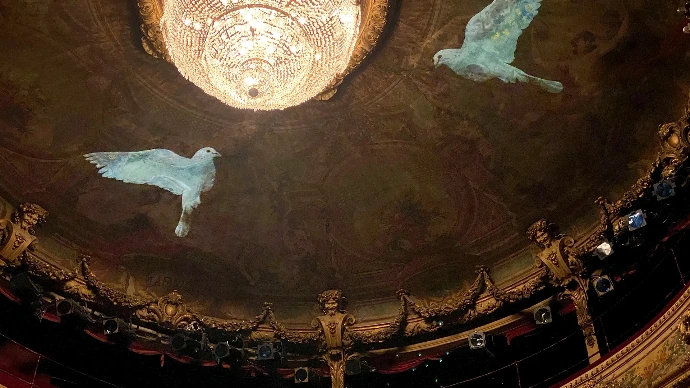
Monumental Projections at the Théâtre du Palais-Royal
The projections were carried out at the Théâtre du Palais-Royal, an iconic venue rich in history and closely connected to the Parisian artistic life of Sarah Bernhardt.
Video mapping made it possible to:
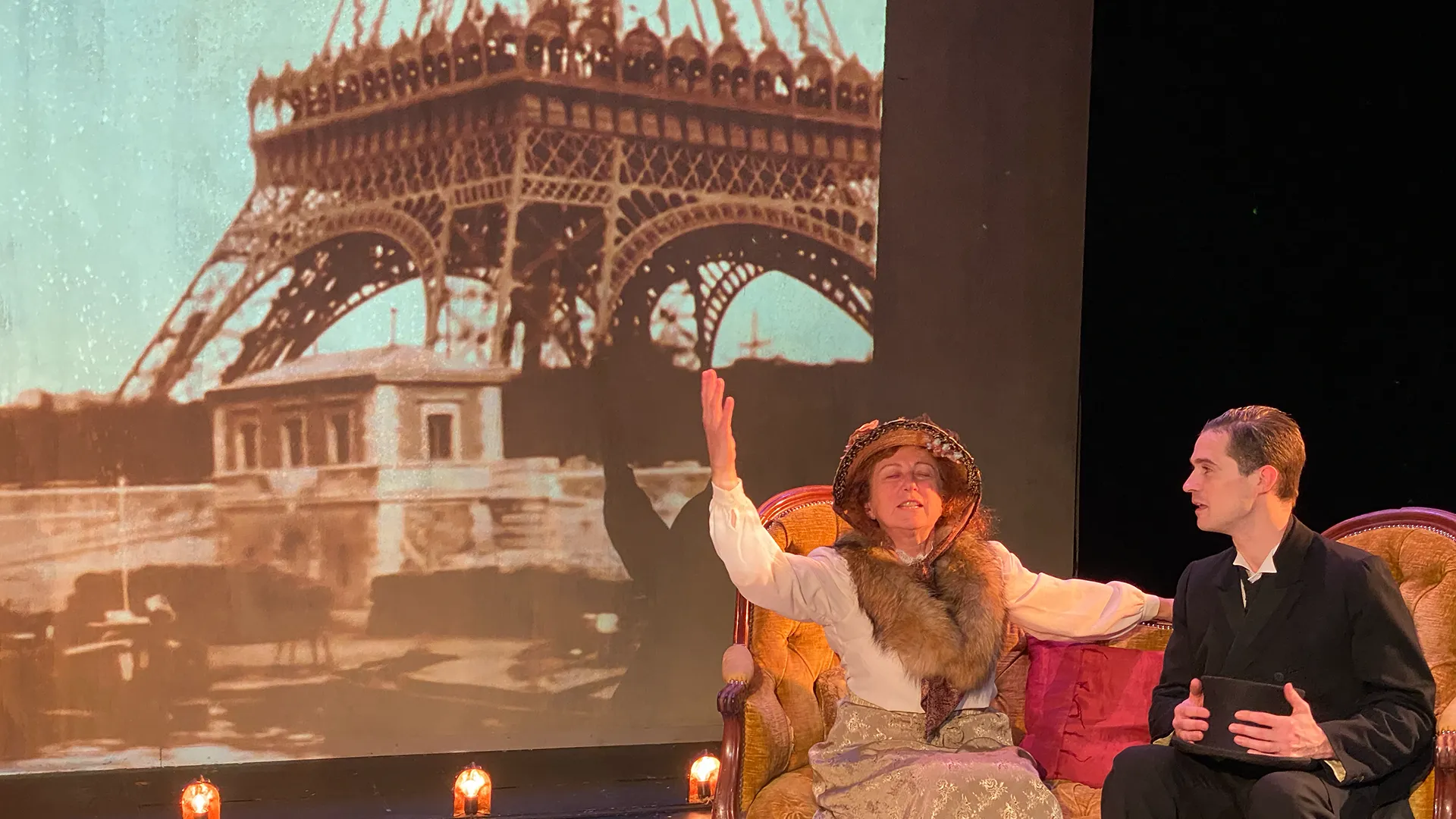
project portraits, sets, and historical figures
transform the theatre’s architecture into a narrative surface
anchor the film within a strong heritage dimension
The architecture was not merely a screen, but an integral part of the narrative, interacting with the projected images.
Between Video Mapping, Holography, and Light Scenography
Beyond traditional projections, the project explored:
visual layering effects close to holography
transparency effects between images and volumes
a scenographic approach inspired by live performance
This hybridization of digital art, theatre, and documentary cinema opens new perspectives for filmmakers seeking to enrich their storytelling.
What This Project Brings to the Documentaries of Tomorrow
This work around Sarah Bernhardt demonstrates that video mapping can be:
a tool for cultural transmission
a visual language serving the narrative
an immersive alternative to traditional archival imagery
For authors, directors, and producers, it offers a concrete approach to:
showcase cultural heritage
renew documentary storytelling
create a memorable experience without betraying history
In Summary
Video mapping applied to documentary filmmaking makes it possible to bring the past back to life in the very places where history was written.
Through this project, technology becomes a tool of memory, serving storytelling and emotion, far beyond a simple visual performance.
Our Blog
Discover our latest articles